Visit Aegis Dubai





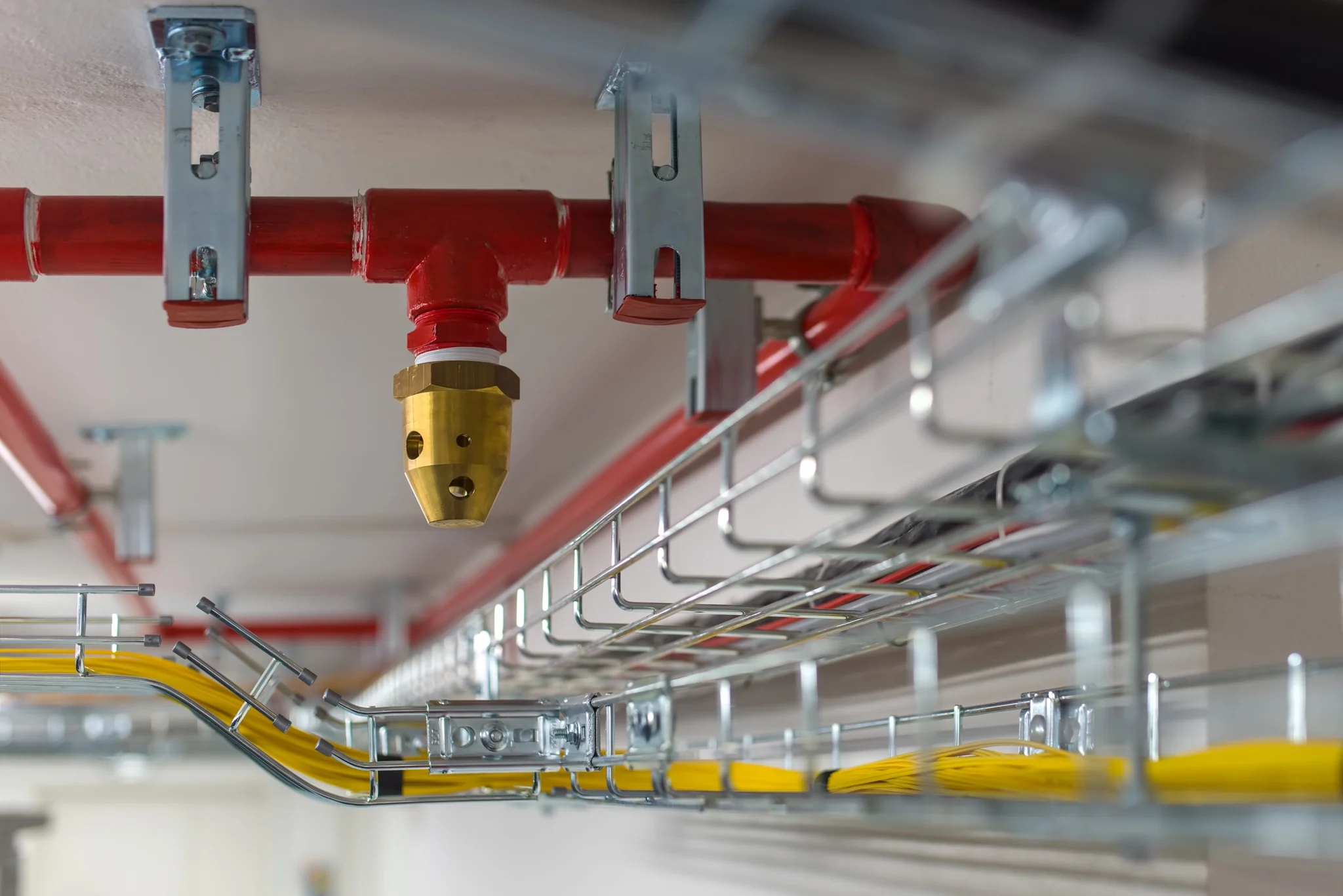
Passive fire safety
Passive fire safety is a vital component in ensuring an organisation’s fire safety and precautions are in place. It covers the use of structural elements, materials, and design features to prevent or slow the spread of fire, smoke, and heat in the event of a fire.
Experts in passive fire safety services
At Aegis Support Services our passive fire safety teams install and maintain all aspects of passive fire protection across the UK within new-build properties, occupied corporate sites, and residential homes. Our services include:
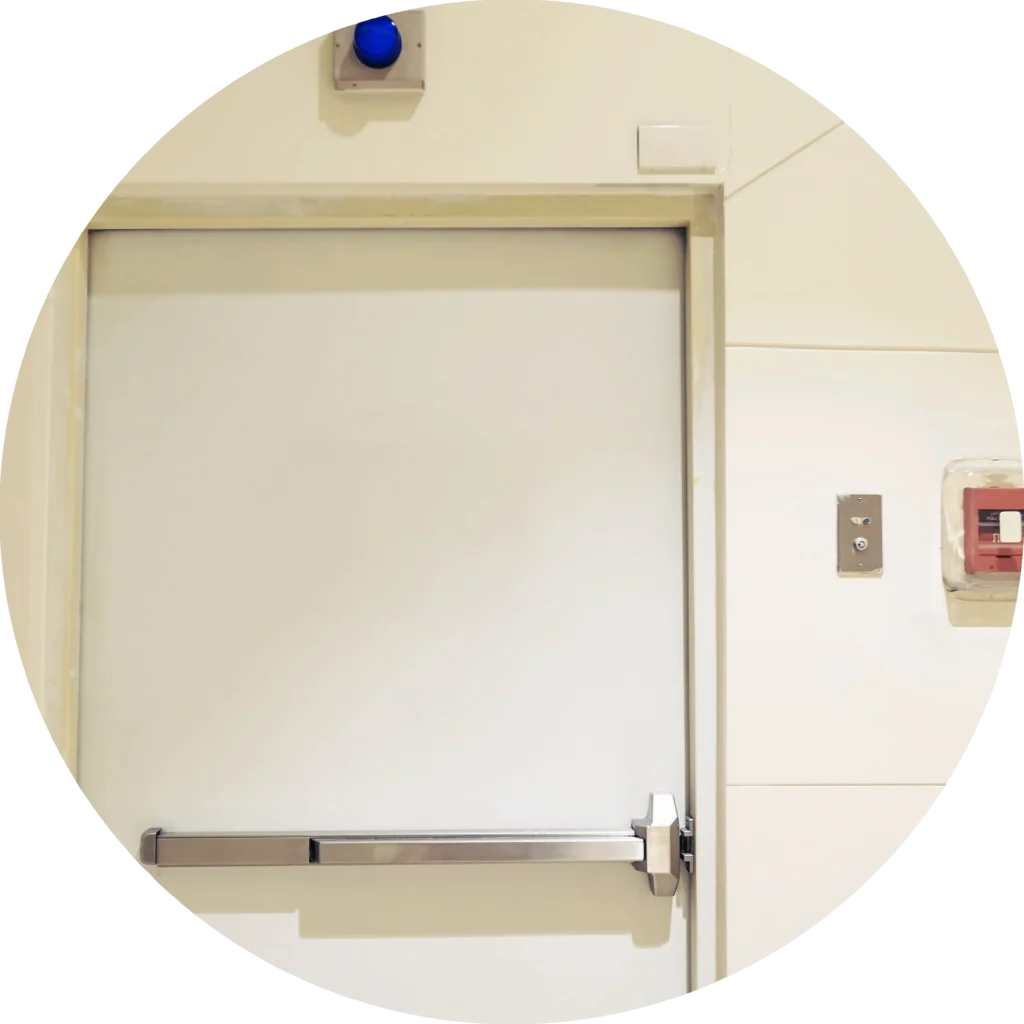
- installation and maintenance of floors, ceilings, roofs, fire doors, windows, and wall assemblies
- fire-resistant coatings
- fire and smoke control assemblies.
Supporting our clients to remain fire-safe and compliant
Our highly skilled team of experts are fully trained in all areas of passive fire protection and holds NVQ level 2 or above in passive fire protection.
Get in touch
If you would like to discuss our range of facilities management services, get in touch with our team.
Fire Stopping: Essential for comprehensive fire prevention
Fire stopping is the process of sealing holes, gaps, or pathways that could allow a fire to spread. This crucial component of passive fire prevention ensures that your premises are completely safeguarded. At Scutum South East, we specialise in fire-stopping services to help protect your property.
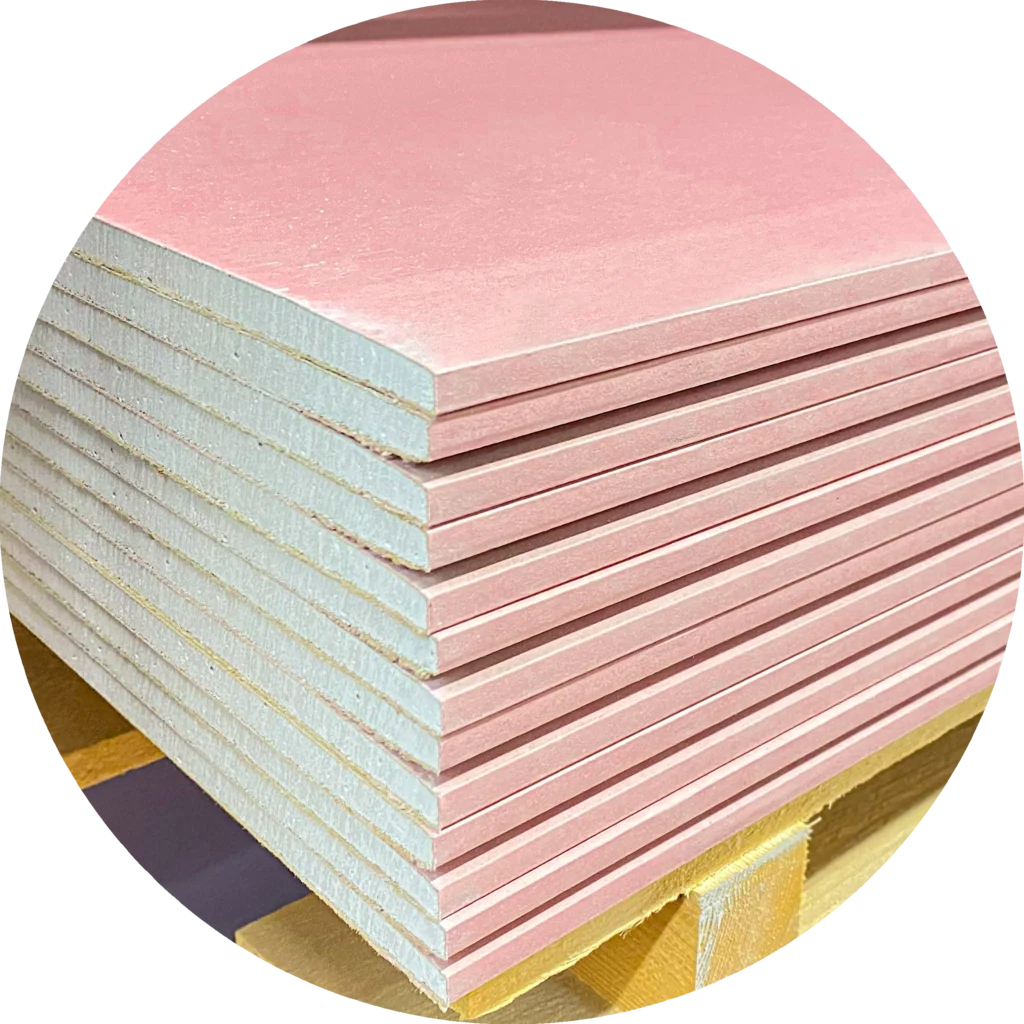
Fire compartmentalisation is a crucial aspect of commercial property development. It involves creating barriers that effectively contain fire and smoke, enabling safe and prompt evacuation. If your building has been retrofitted for your occupancy or if refurbishment works have been conducted, this might compromise your passive fire prevention strategy, resulting in the rapid spread of fire and smoke over different sections of the structure.
Scope of fire stopping
Our professionals conduct comprehensive fire-stopping surveys to identify vulnerable areas susceptible to fire spread. Typical places that often need sealing include:
- Interstices or fissures: gaps between vertical and horizontal surfaces
- Apertures: openings around pipes, wires, and beams
- New openings: Freshly bored holes
- Voids: spaces left after removing elements
By using a range of materials, it is possible to cover these gaps, holes, and often neglected spaces in order to reinstate the compartmentalisation of your structure.


Get in touch
Our team is made up of highly experienced security services and facilties management professionals who have worked in leadership, front-line, operational, and support roles in the industry for many years.
Call us
Email us
 Visit Aegis Dubai
 Visit Aegis Training